













Why CodeHazel
Blockchain Has a Trust Problem. Most Agencies Aren't Helping.
An Unaudited Contract Is a Liability, Not a Feature
Smart contracts are immutable once deployed — a bug you'd fix in a normal app in an afternoon can drain a wallet permanently on-chain. We treat security review as part of development, not an optional add-on you skip to save budget.
- Internal audit on every contract before deployment
- Testnet simulation under real transaction load
- Third-party audit coordination for high-value contracts
Nobody's Explained Why This Needs to Be On-Chain
Plenty of ideas that get pitched as "blockchain projects" would work fine, and cheaper, as a normal database with an API. We'll tell you that upfront instead of building something decentralized just because that's what got funded.
- Honest architecture review before any code gets written
- Hybrid on-chain/off-chain designs where that’s the smarter call
- No pressure to over-engineer for the sake of a buzzword
Gas Fees Are Quietly Killing Your Margins
A contract that works fine in testing can become unusably expensive to run once real users start transacting. We optimize gas consumption as a core requirement, not something we circle back to after launch complaints.
- Gas-optimized Solidity patterns from the first draft
- Layer-2 and sidechain options evaluated where they fit (Polygon, Arbitrum, Base)
- Cost modeling before mainnet deployment, not after
What We Do
Blockchain and Web3 Development, Built and Audited End to End
From a first smart contract to a full DeFi platform or NFT marketplace, CodeHazel covers the build, the security review, and the deployment. Below are our core areas — each links to a dedicated page once you're ready to go deeper.
 DeFi Development
DeFi Platform & Smart Contract Development
Lending protocols, staking platforms, yield mechanisms, token exchanges — the parts of DeFi that need to survive an actual audit, not just a demo on testnet.
 Web3 Development
Web3 Application & Dapp Development
Decentralized apps that connect wallets, read and write on-chain data, and still feel like a normal product to the person using them — most Web3 apps fail on that last part.
 NFT Marketplace
NFT Marketplace & Minting Platform Development
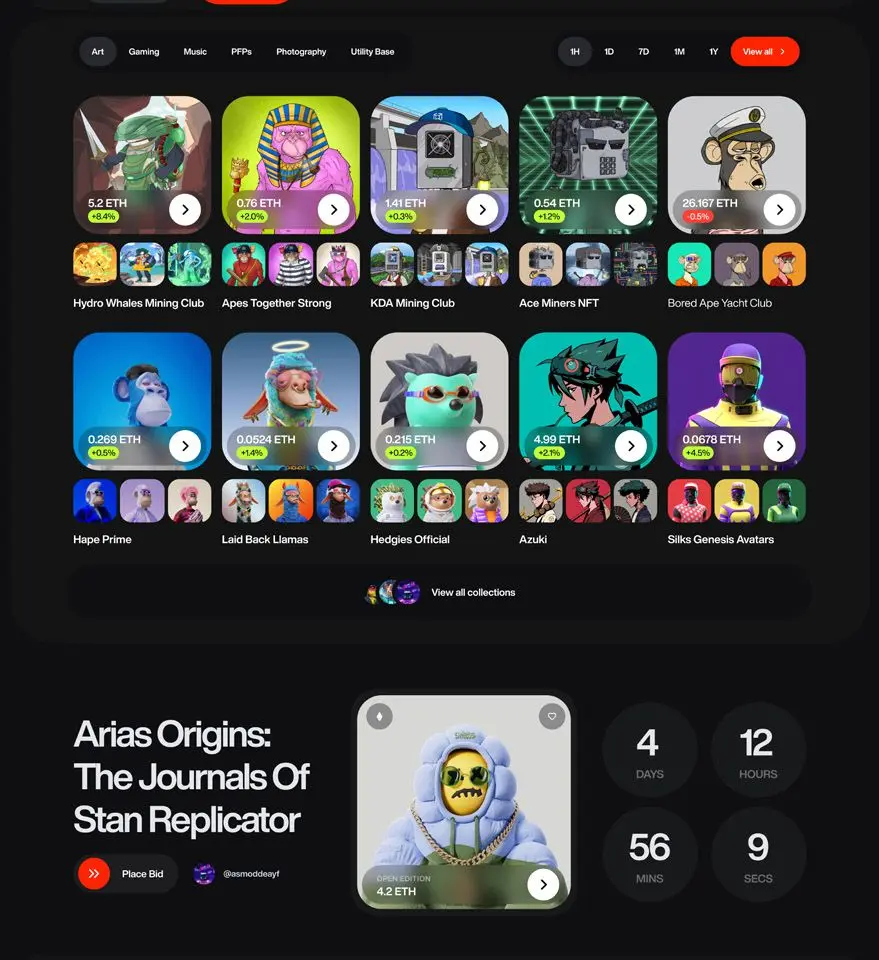
Minting, listing, bidding, royalty enforcement, and multi-chain support built around whatever your actual use case is — art, gaming assets, ticketing, or membership access.
 Enterprise Blockchain
Enterprise Blockchain Development
Supply chain tracking, private ledgers, permissioned networks — the blockchain use cases that aren't about crypto speculation at all, just verifiable, tamper-proof records.
 Web3 Gaming
Web3 Game Development
On-chain assets, play-to-earn economies, NFT-based items — built with actual game economy design behind them, not just a token bolted onto an existing game.
 DeFi Wallets
DeFi Wallet Development
Non-custodial wallets that handle private key security correctly — the single most common place DeFi products get exploited when it's rushed.
 DAO Development
DAO Development Services
Governance contracts, voting mechanisms, treasury management — built so token holders can actually govern the thing without a single admin key controlling everything anyway.
 Web3 Consulting
Web3 Consulting & Architecture Review
Sometimes the most useful thing we can tell you is what not to build on-chain. This is for teams that need a technical gut-check before committing a development budget.
 Web3 Ecommerce
Web3 Ecommerce Development
Crypto payments, token-gated products, on-chain loyalty programs added to a storefront that still needs to convert like any other ecommerce site.
 Smart Contracts
Smart Contract Development & Auditing
Custom Solidity contracts for whatever your product actually needs, reviewed line by line before anything touches mainnet. This is the part of the stack where a shortcut costs the most.
 DEX Development
Decentralized Exchange (DEX) Development
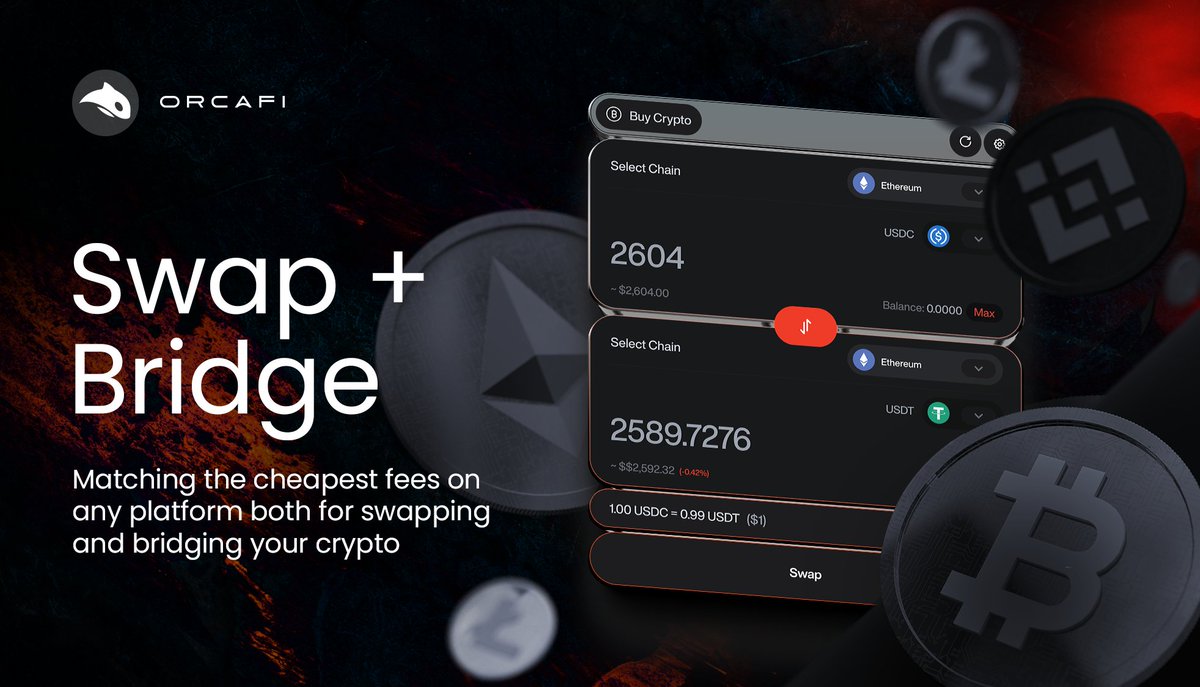
AMM logic, liquidity pools, order-matching — the mechanics that make a DEX actually usable instead of just a smart contract nobody can safely trade against.
 NFT Minting
NFT Minting Website Development
A minting site that doesn't crash the moment your drop goes live — built to handle the traffic spike, not just the demo.
Have a Whitepaper, an Existing Contract, or a Live Product? Start Here.
Not every project starts from a blank contract. Tell us where you actually are, and we'll pick up from that point instead of restarting the conversation from zero.
A Process Built Around Not Getting Exploited
We map out what actually needs to live on-chain versus what's better handled off-chain, and flag any tokenomics or governance design issues before development starts. Catching a design flaw here costs a conversation. Catching it after mainnet deployment costs a lot more.
Smart contract logic gets mapped out and reviewed before a single line of Solidity ships, including edge cases most teams don't think about until something breaks in production.
Contracts get built, tested on testnet under simulated real-world load, and internally audited before they're anywhere near mainnet. We're not the team that finds out about a reentrancy bug from Twitter.
We handle the mainnet deployment itself, then set up on-chain monitoring so unusual transaction activity gets flagged early instead of discovered after funds are already gone.
Code That Survives Contact With Real Users and Real Money
From Whitepaper to Deployed Contract, Without the Guesswork
Architecture, tokenomics, and contract design get aligned before development starts, so you're not redesigning core mechanics halfway through a build that's already underway.
Audited Before It Ever Touches Mainnet
Every contract goes through internal review and testnet simulation, with third-party audit coordination available for anything holding meaningful value.
Built for the Transaction Volume You're Actually Expecting
A contract that handles ten test transactions cleanly can behave very differently under real load and real gas price volatility. We stress-test for that before launch, not after.
Monitoring That Doesn't Stop at Deployment
On-chain activity gets watched after launch, not just tested before it. If something unusual shows up in the transaction pattern, you hear about it from us first.

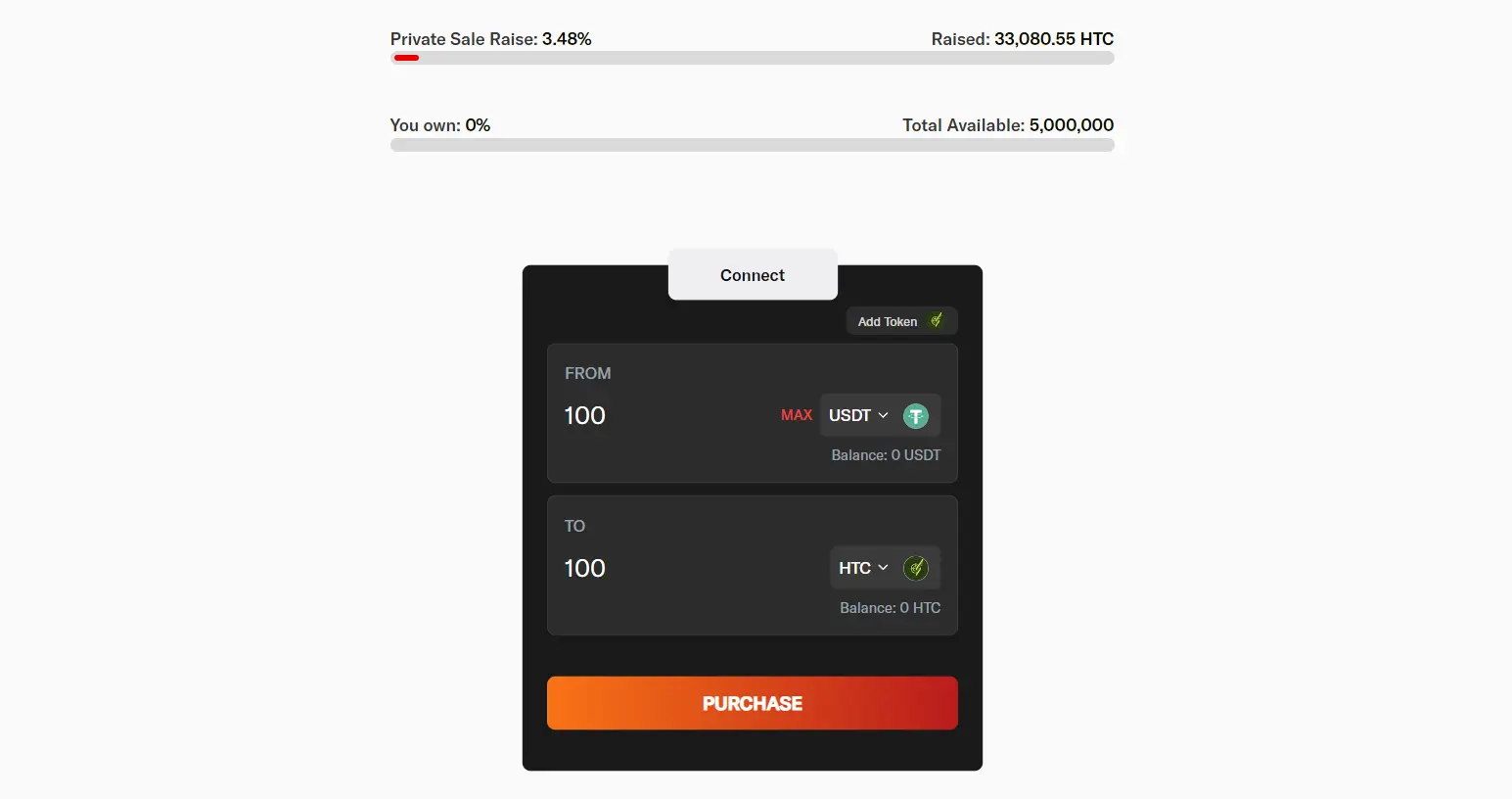
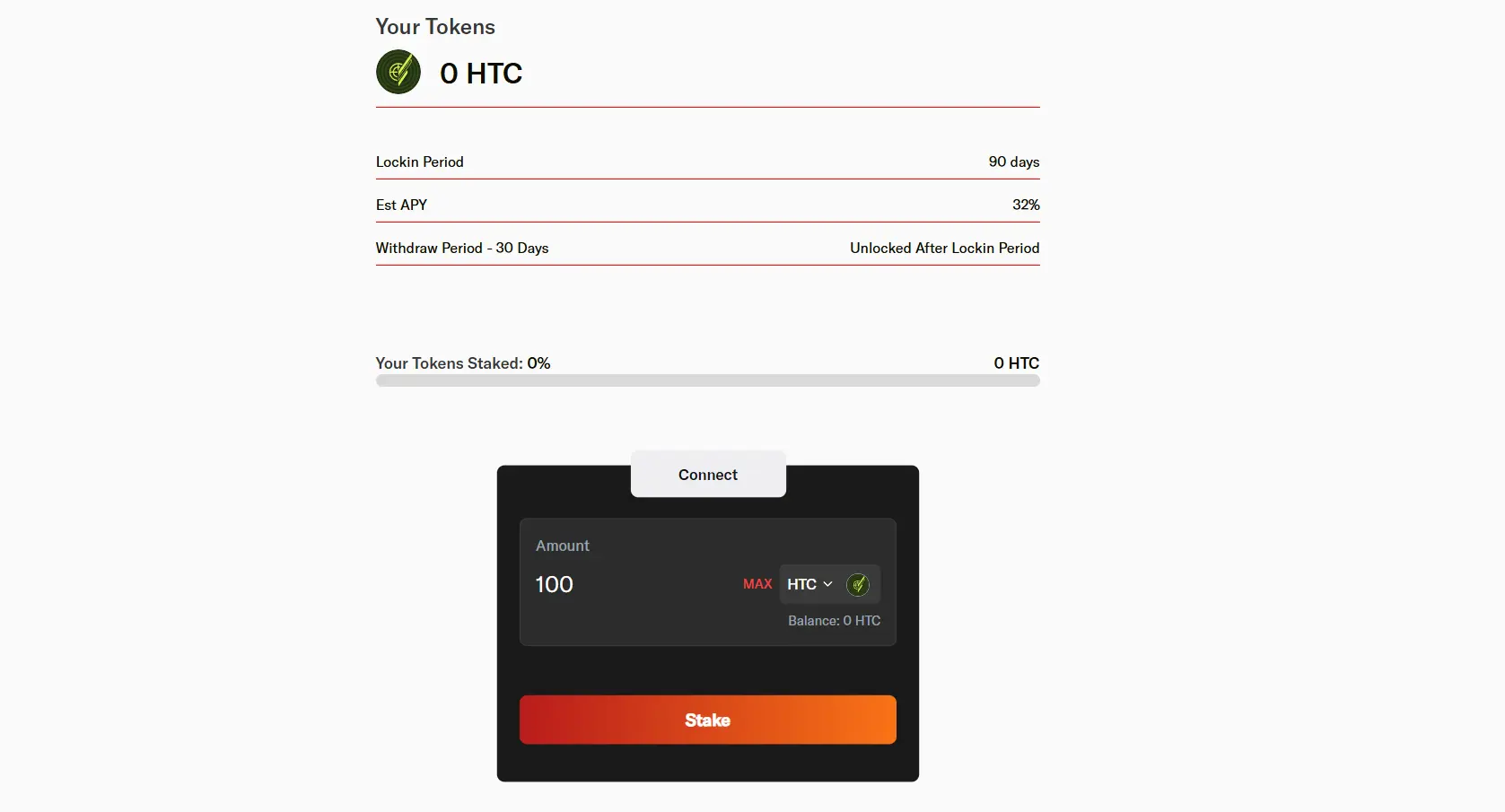
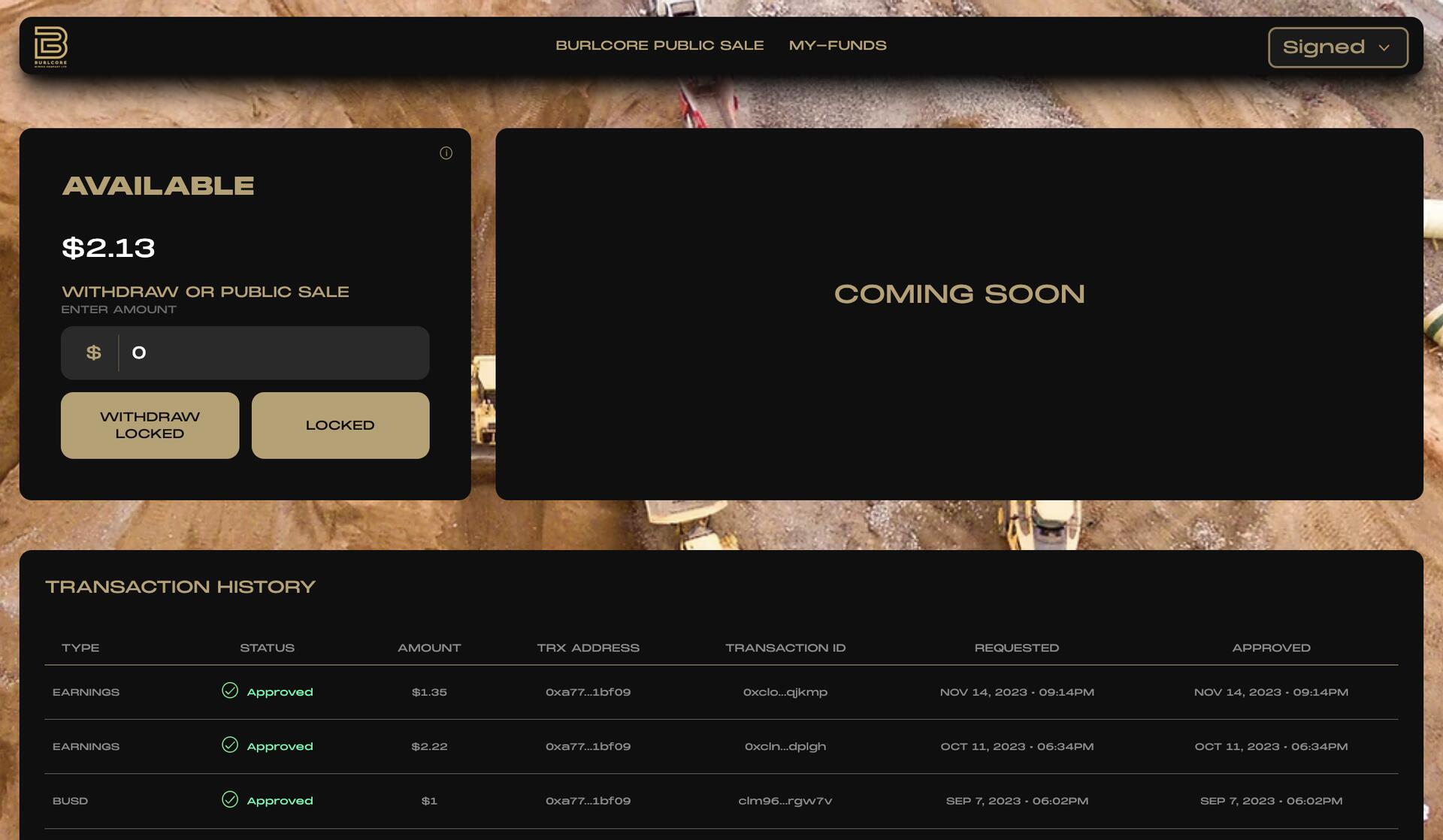
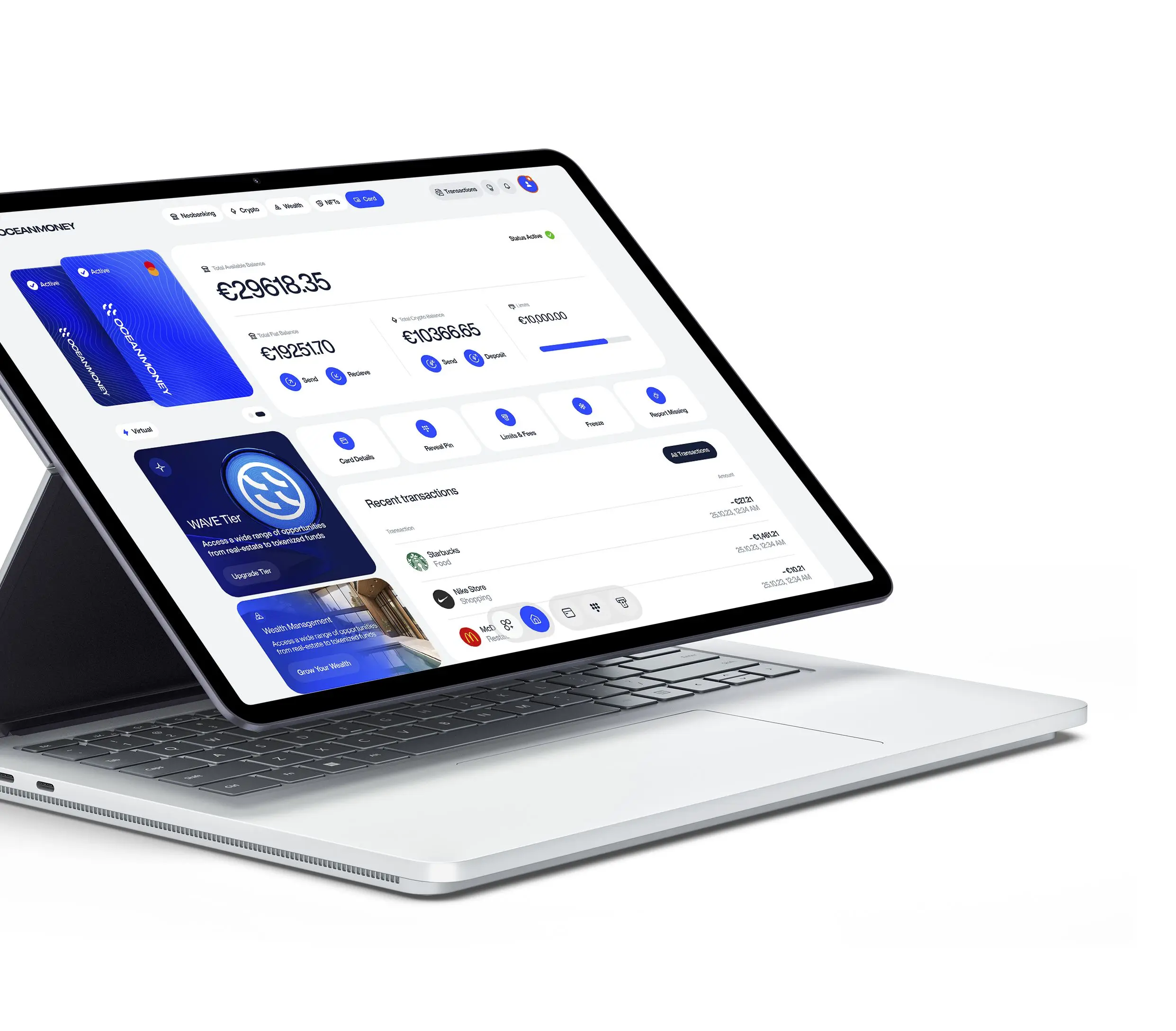

Chains and Tools Chosen for What You're Actually Building
Ethereum where security and liquidity matter most, faster and cheaper chains where they don't — we pick the network based on your use case, not whichever one is trending.
We don't default to the chain we know best. We build on the one your product actually needs.
The languages the contract logic itself is written in.


Frequently Asked Questions
The questions that come up before a blockchain project even gets scoped — cost, security, and whether you need a blockchain at all.
How much does blockchain development cost?
A single smart contract with a straightforward use case usually runs $699 to $25,000. A full DeFi platform or NFT marketplace with a frontend, backend, and audited contracts typically lands between $40,000 and $150,000, depending on complexity and how many chains you're deploying to. We'll give you a fixed quote after a technical scoping call, not a guess.
Cost breakdown:
- Single smart contract: $699 – $25,000
- Full DeFi platform or NFT marketplace: $40,000 – $150,000
- Enterprise blockchain integration: $100,000+
How long does it take to build and deploy a smart contract?
A single, well-scoped contract usually takes 3 to 6 weeks including audit time. A full DeFi platform or marketplace with a frontend typically takes 3 to 5 months. Audit time is usually the part teams underestimate, and it's the part we won't rush.
Timeline breakdown:
- Weeks 1-2: Architecture, tokenomics & contract design
- Weeks 3-4: Development & internal testing
- Week 5: Testnet deployment & audit
- Week 6: Mainnet deployment
Do I actually need blockchain, or would a regular app work?
Honestly, sometimes a regular database with an API is the better answer, and we'll tell you that in the first conversation. Blockchain makes sense when you need a shared, tamper-proof record that multiple parties who don't trust each other need to verify independently. If that's not your situation, we're not going to talk you into a smart contract you don't need.
Blockchain usually makes sense when:
- Multiple parties need a shared, verifiable record
- No single party should control the data
- Transparency of transactions is a core requirement
Do you audit smart contracts before deployment?
Yes, on every contract we build, and we can also review contracts you already have. Internal audits are included in every project. For contracts holding significant value, we coordinate third-party audits with established firms, since an internal review alone isn't enough at that scale.
What's included:
- Internal line-by-line contract audit
- Testnet simulation under real transaction load
- Third-party audit coordination for high-value contracts
Which blockchain should I build on?
Ethereum still has the deepest liquidity and developer tooling, but gas fees make it expensive for high-frequency transactions. Polygon and other Layer-2s solve that at some tradeoff in decentralization. Solana is fast and cheap but has a different programming model entirely. We'll recommend based on your actual transaction volume and budget, not whichever chain is trending this month.
Quick way to think about it:
- Ethereum: deepest liquidity, higher gas costs
- Polygon/Layer-2: cheaper transactions, still Ethereum-compatible
- Solana: very fast and cheap, different dev stack
What happens if a vulnerability is found after launch?
It's rare with a properly audited contract, but if something does surface, we have an incident response process — pausing affected contract functions where the design allows it, coordinating with any relevant audit firm, and communicating clearly with your users rather than going quiet. This is part of why upgradeable contract patterns matter when the use case calls for them.
Post-launch security coverage includes:
- On-chain monitoring for unusual activity
- Incident response process on retainer
- Upgradeable contract patterns where appropriate
Didn't Find Your Answer?
Blockchain projects rarely fit a template, and a FAQ can only go so deep. Tell our team what you're actually trying to build — including if you're not sure blockchain is even the right call — and we'll give you a straight answer.